

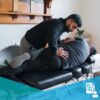


Management Strategies for Older Adults with Lumbar Spinal Stenosis
$4.99
Associated Courses
Date Posted:
March 2026
Study Title:
No drugs, more sex? And Rock’n Roll: Effective non-operative treatments and practical management strategies for older adults with lumbar spinal stenosis
Authors:
Ammendolia C
As our population ages, becoming proficient in the clinical assessment and management of older adults with lumbar spinal stenosis will be of increasing importance for chiropractors. This week, an overview of evidence-based management strategies for lumbar spinal stenosis…
Lumbar spinal stenosis (LSS) is a leading cause of pain, disability and loss of independence in older adults. LSS generally involves age related changes that lead to narrowing of the central and/or lateral spinal canals, resulting in neurogenic claudication. Neurogenic claudication is characterized by buttock and/or leg pain, either unilaterally or bilaterally, and/or numbness, tingling, weakness, or heaviness of the legs that is worse with standing and/or walking and better with sitting and stooping forward. The most common impairment in people with LSS is limited walking ability and the most prevalent symptom is pain. As well, LSS can lead to urogenital problems leading to urinary and sexual dysfunction. Reduced mobility and overall functional decline can lead to feelings of hopelessness, depression, and isolation, further exacerbating LSS-related disability.
Most people seek non-operative care for LSS. However, the effectiveness of most non-operative treatments is unknown.
This narrative review summarizes the epidemiology and evidence for effective non-operative treatments for lumbar spinal stenosis, with an additional focus on exploring the association between LSS and sexual dysfunction.
| Archive Year | 2026 |
|---|---|
| Learning Type | |
| Learning Topic |







Reviews
There are no reviews yet.