

Featured Blogs

70% of Midlife Women Experience This — And Most Chiropractors Aren’t Talking About It
If you see a significant number of women in their 40s and 50s in practice – and most chiropractors do – there’s a good chance you’re already managing patients with the musculoskeletal syndrome of menopause without naming it as such. A narrative review published in Climacteric (2024) makes the case that these patients deserve [...]
Read moreJun

SMT in Older Adults: Reasonable Care, Not a Magic Bullet — Here’s What the Research Says
Older adults are among the most common patients in chiropractic practice – and also among the most underrepresented in clinical trials. An updated systematic review just published in the Journal of the Canadian Chiropractic Association (2026) takes a focused look at the evidence for spinal manipulative therapy (SMT) specifically in older adults [...]
Read moreJun

Cervicogenic Dizziness: What Chiropractors Need to Know About the Neck-Balance Connection
Many of your patients with neck pain also report dizziness, unsteadiness, or a feeling of being “off.” Sometimes these symptoms are coincidental. Sometimes the neck is actually driving them. A new perspective paper in Frontiers in Neurology (2025) takes a deep look at cervicogenic dizziness – what it is, why it’s so [...]
Read moreJun

Low Back Pain in 2026: What 5 Years of Research Tells Chiropractors About Diagnosis, Prevention, and Management
Low back pain is the most common reason patients seek chiropractic care — and it also happens to be one of the most frequently mismanaged conditions in all of primary care. A major two-part narrative review published in the Journal of Physiotherapy (2026) synthesized five years of research across diagnosis, prognosis, prevention, [...]
Read moreMay

Can You Use Spinal Manipulation (SMT) on Post-Surgical Spine Patients? A New Study Weighs In
Can chiropractors safely use spinal manipulation on patients who’ve had spinal surgery? A new descriptive study helps answer one of the most common clinical questions we face — and the findings are more reassuring than you might expect. Spine-related disorders remain highly prevalent, and surgical management for cervical and lumbar [...]
Read moreMay

Effect of Exercise on Depression and Anxiety Symptoms
As chiropractors, we often see patients who struggle with mental health issues. This week, a gentle reminder of the power of exercise as a treatment for anxiety and depression…. Depression and anxiety disorders are among the most prevalent mental health conditions worldwide, affecting an estimated 7-25% of the global population [...]
Read moreMay

Avoiding Diagnostic Errors in Spinal Metastases
As chiropractors, we often see patients who have had, or currently have, cancer, which should raise immediate concern for any new onset of spinal pain. This week, I review a paper evaluating common diagnostic errors in spinal metastases, which I hope serves as a general reminder about this important clinical [...]
Read moreApr

Thoracic Spine Manual Therapy for Subacromial Impingement Syndrome
Shoulder pain is very common, and subacromial impingement syndrome (SIS) is one of the more common causes that clinicians encounter in practice. Characterized by repetitive compression or impingement of structures like the supraspinatus tendon, subacromial bursa and long head of biceps, it can limit reaching, lifting, sleeping, and general overhead [...]
Read moreApr
All Blogs
70% of Midlife Women Experience This — And Most Chiropractors Aren’t Talking About It
If you see a significant number of women in their 40s and 50s in practice – and most chiropractors do – there’s a good chance you’re already managing patients with the musculoskeletal syndrome of menopause without naming it as such. A narrative review published in Climacteric (2024) makes the case that these patients deserve [...]
Read moreJun
SMT in Older Adults: Reasonable Care, Not a Magic Bullet — Here’s What the Research Says
Older adults are among the most common patients in chiropractic practice – and also among the most underrepresented in clinical trials. An updated systematic review just published in the Journal of the Canadian Chiropractic Association (2026) takes a focused look at the evidence for spinal manipulative therapy (SMT) specifically in older adults [...]
Read moreJun
Cervicogenic Dizziness: What Chiropractors Need to Know About the Neck-Balance Connection
Many of your patients with neck pain also report dizziness, unsteadiness, or a feeling of being “off.” Sometimes these symptoms are coincidental. Sometimes the neck is actually driving them. A new perspective paper in Frontiers in Neurology (2025) takes a deep look at cervicogenic dizziness – what it is, why it’s so [...]
Read moreJun
Low Back Pain in 2026: What 5 Years of Research Tells Chiropractors About Diagnosis, Prevention, and Management
Low back pain is the most common reason patients seek chiropractic care — and it also happens to be one of the most frequently mismanaged conditions in all of primary care. A major two-part narrative review published in the Journal of Physiotherapy (2026) synthesized five years of research across diagnosis, prognosis, prevention, [...]
Read moreMay
Can You Use Spinal Manipulation (SMT) on Post-Surgical Spine Patients? A New Study Weighs In
Can chiropractors safely use spinal manipulation on patients who’ve had spinal surgery? A new descriptive study helps answer one of the most common clinical questions we face — and the findings are more reassuring than you might expect. Spine-related disorders remain highly prevalent, and surgical management for cervical and lumbar [...]
Read moreMay
Effect of Exercise on Depression and Anxiety Symptoms
As chiropractors, we often see patients who struggle with mental health issues. This week, a gentle reminder of the power of exercise as a treatment for anxiety and depression…. Depression and anxiety disorders are among the most prevalent mental health conditions worldwide, affecting an estimated 7-25% of the global population [...]
Read moreMay
Avoiding Diagnostic Errors in Spinal Metastases
As chiropractors, we often see patients who have had, or currently have, cancer, which should raise immediate concern for any new onset of spinal pain. This week, I review a paper evaluating common diagnostic errors in spinal metastases, which I hope serves as a general reminder about this important clinical [...]
Read moreApr
Thoracic Spine Manual Therapy for Subacromial Impingement Syndrome
Shoulder pain is very common, and subacromial impingement syndrome (SIS) is one of the more common causes that clinicians encounter in practice. Characterized by repetitive compression or impingement of structures like the supraspinatus tendon, subacromial bursa and long head of biceps, it can limit reaching, lifting, sleeping, and general overhead [...]
Read moreApr

Chiropractic Management of Adults with Cervicogenic or Tension-Type Headaches
Chiropractors see adult patients with headaches everyday, which means understanding the evidence and best practices for their assessment and management is crucial to facilitate best practices and optimize patient safety and outcomes. This week, a summary of a recent guideline development paper (via Clinical Compass) regarding the chiropractic management of [...]
Read moreApr

Risk of Cerebrovascular Events with Migraine & Pregnancy-Related Headaches
Recent evidence is pointing to a complex relationship between migraine headaches and many different health issues we should be aware of as chiropractors. This week, a look at migraines and other pregnancy-related headaches and their relationship to cerebrovascular events… It has been shown that individuals with migraine or a history [...]
Read moreApr
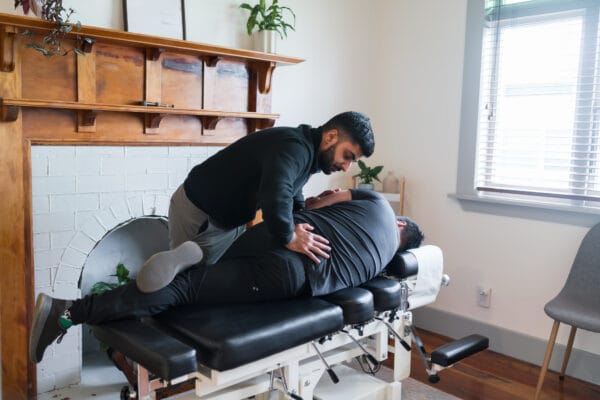
No Increase in Risk of Cauda Equina Syndrome After Chiropractic SMT in Predisposed Adults
This week, another important paper from Dr. Robert Trager and colleagues (published in PM & R 2026)… Cauda equina syndrome (CES) involves compression of the lumbosacral nerve roots, which most often is the result of a massive herniated lumbar disc. CES may also be caused by conditions such as tumors, [...]
Read moreApr

Management Strategies for Older Adults with Lumbar Spinal Stenosis
As our population ages, becoming proficient in the clinical assessment and management of older adults with lumbar spinal stenosis will be of increasing importance for chiropractors. This week, an overview of evidence-based management strategies for lumbar spinal stenosis… Lumbar spinal stenosis (LSS) is a leading cause of pain, disability and [...]
Read moreMar

Association Between Migraine and Cervical Artery Dissection
Migraine is a complex condition that we don’t fully understand, and the same could be said for cervical artery dissections (CeAD). This week’s review explores the potential association between migraines (with and without aura) and cervical artery dissection…another big data study we should know about! Cervical artery dissection is a [...]
Read moreMar

Effects of Verbal Suggestion on Spinal Manipulation Outcomes in Chronic Low Back Pain
As chiropractors, we should be aware that our words and communication style can have a massive influence in driving positive patient outcomes. How we reasonably frame our management plans in general, and the treatment techniques within these plans specifically, can also have an influence, according tho the results of the [...]
Read moreMar

Efficacy and Safety of Spinal Manipulation for Acute Neck Pain
Neck pain is common and costly, and often we lump the acute, sub-acute and chronic patients together when evaluating the existing literature…this week, a paper that focuses on acute neck pain specifically, and whether spinal manipulation (SMT) is safe and effective for these patients. Various clinical guidelines include spinal manipulative [...]
Read moreMar

Diagnosis and Management of Adhesive Capsulitis
Adhesive capsulitis, or ‘frozen shoulder’ is a challenging condition for both clinicians and patients…this week, a concise overview of diagnosis and management options. Adhesive capsulitis is a common cause of shoulder pain and stiffness, affecting approximately 2-5% of the general population. It most commonly presents between ages 40-65 and is [...]
Read moreFeb

Association Between Lumbar and Hip Mobility and Disability in Chronic Low Back Pain
I have always had a clinical bias toward the hips in the chronic low back pain cases – I think hip mobility and function is incredibly important for these (and all) patients! This week, a paper that tickles this bias… In practice, clinicians habitually (and rightly) assess lumbar flexion, extension, [...]
Read moreFeb

SMT & Clinician-Supported Biopsychosocial Self-Management for Acute Low Back Pain
This week, an interesting chiropractic randomized trial published in JAMA with authors from the University of Minnesota and UPitt!… Clinical practice guidelines for low back pain consistently recommend nonpharmacologic management for both acute and subacute LBP, including education, activity modification, exercise, remaining active, and spinal manipulation/manual therapy. Despite these recommendations, [...]
Read moreFeb

Effectiveness of Non-Surgical Interventions for Chronic Sciatica
What does the evidence tell us about the management of chronic sciatica? This week’s review investigates… Sciatica is estimated to affect from 1.2% to 43% of people in the general population, presenting clinically with radiating buttock and leg pain along the sciatic nerve distribution. Patients typically notice improvement within the [...]
Read moreFeb

CNS Symptoms as Predictors of Future Chronic Pain
The International Classification of Diseases 11th Revision describes two major categories of pain: chronic primary pain and chronic secondary pain. Chronic secondary pain refers to conditions in which pain is a symptom of another disease, such as fracture, nerve injury, or soft-tissue damage supported by imaging and clinical findings. In [...]
Read moreJan

Screening for Psychological Distress Associated with Low Back Pain
We know psychological issues can impact our patients, but how comfortable are you when screening for these issue? This week’s review summarizes the evidence about MSK and spine clinicians’ ability to screen for these issues… Without question, there is a complex bidirectional relationship between low back pain (LBP) and psychological [...]
Read moreJan

Association Between Spinal Manipulation for Low Back Pain and Opioid Use Disorder
We know that low back pain is a common initial reason why patients are prescribed opioid medications, which come with a litany of potential side effects, including addiction. As chiropractors, WE have a better management option, as suggested in this week’s study looking at the association between receiving spinal manipulation [...]
Read moreJan

Association Between Systemic Inflammation and Low Back Pain
Systemic inflammation is receiving a lot of attention these days in relation to a number of health care issues. This week’s review looks at the potential association between systemic inflammation and low back pain… Low back pain is a complex condition with multifactorial etiology and diverse neurobiological causes. The Systemic [...]
Read moreJan

Top 10 back pain MYTHS for older adults!
As healthcare providers, we spend a fair amount of time combating misinformation. This week, we review a great paper written by Dr. Carlo Ammendolia, who helps us arm our older patients with facts that crumble common myths about low back pain…lots of great talking points for your clinical encounters! Low [...]
Read moreDec

Back Pain Precedes Sleep Problems in Older Men
As chiropractors, we know that people in pain often don’t sleep well, but we are just starting to understand the complex relationship between sleep patterns and painful conditions. This week, a new paper revealing an interesting relationship between sleep problems and back pain in older men. Back pain is the [...]
Read moreDec

A clinical overview of nociplastic pain
This week, the “Chronic Pain Chiro” Dr. Demetry Assimakopoulos provides a clinically-oriented overview of nociplastic pain for chiropractors, based on a recent paper published in the Journal of the Canadian Chiropractic Association (JCCA)! Now, on to the Research Review… ‘Nociplastic pain’ is defined as pain arising from altered nociception without [...]
Read moreNov

Bone Stress Injuries in Athletes
If your chiropractic practice includes any active patients or competitive athletes (I’m sure it does!) – then you will encounter a variety of bone stress injuries. This week, a summary of an international consensus (Delphi) study on bone stress injuries in athletes. A great review for you and your patients! [...]
Read moreNov

A deeper dive into the ‘social’ part of the biopsychosocial model
We are always told to practice chiropractic within a biopsychosocial (BPS) framework. This week, a new study that digs into social factors and how they relate to spine pain-related disability. For a deeper dive on the BPS model, check out our E-Seminar: “Mastering the Biopsychosocial Approach: A Contemporary Lens for [...]
Read moreNov

Headache Characteristics Associated with Cervicocerebral Artery Dissection
In chiropractic practice, we should always be cautious with patients presenting with acute onset, unusual or severe headaches. This is primarily because an acute-onset headache is often the first symptom in patients with spontaneous cervicocerebral artery dissection (CeAD)… With the increasing use of MRI, we’re now recognizing more cases where [...]
Read moreNov

Spinal Manipulation for Fibromyalgia – Narrative Review
As a chiropractor, have you treated patients with Fibromyalgia? Does chiropractic care work, in your experience? This week, we explore what the literature can tell us about SMT and this condition… Fibromyalgia is a complex and controversial condition characterized by widespread pain and is now considered a disorder of altered [...]
Read moreOct

Risk Factors for Cervical Artery Dissection
This weekend I am presenting in Chicago at the American College of Chiropractic Consultants conference (co-hosted by the ACA Council on Forensic Sciences and NCMIC). On Saturday morning I will be discussing differential diagnosis of vertigo and dizziness as well as research and clinical updates about cervical dissection/stroke and chiropractic [...]
Read moreOct

Conservative Interventions for Adolescent Idiopathic Scoliosis
I taught first year students at CMCC about scoliosis for almost 20 years, so have always been interested in this condition (which I also have!). This week, an update on the literature regarding conservative interventions for the most common type of scoliosis – adolescent idiopathic scoliosis (AIS). AIS remains a [...]
Read moreOct

How should we interpret pain drawings in chiropractic practice?
Do you get your new (or existing) patients to complete pain drawings? If so, how do you integrate this information into your clinical approach? This week, Dr. Demetry Assimakopoulos (the “Chronic Pain Chiro”) summarizes two new papers that clarify our understanding and application of these common intake tools. Patient-drawn pain [...]
Read moreOct
What treatments work for chronic low back pain in the long term?
What is the long-term effectiveness of common treatments for chronic low back pain like exercise or chiropractic manipulation? This week, an assessment and critique of studies with long-term follow-up periods that investigated non-surgical treatment options for chronic low back pain… Guideline recommendations on low back pain (LBP) typically incorporate evidence [...]
Read moreOct
Assessment & Management of Benign Paroxysmal Positional Vertigo in Older Adults
Benign paroxysmal positional vertigo (BPPV) is a common and disabling condition that we often encounter in chiropractic practice. BPPV typically causes positional vertigo (i.e. a sense of motion) due to displacement of otoconia (calcium carbonate crystals) into the semi-circular canals of the inner ear. Sensory cells within the canals report [...]
Read moreSep

A review of tendon & ligament injuries of the finger & thumb
As chiropractors, our fingers and thumbs are critically important and ‘tools of the trade’, but when was the last time you reviewed these elegant anatomical structures that are vulnerable to many types of injury? In practice, it is a good idea to review anatomy and relevant injuries to those areas [...]
Read moreSep

Why is diagnosis of Axial Spondyloarthritis important for Chiropractors?
Chiropractors see patients with a wide array of musculoskeletal and general health issues. In some cases, our responsibility is to assist in early recognition of conditions that require medical co-management. Axial Spondyloarthritis (formerly Ankylosing Spondylitis) is one such condition that, as you’ll see in this week’s review, we commonly see [...]
Read moreSep
Association Between Chiropractic Spinal Manipulation for Sciatica and Opioid-Related Adverse Events
For chiropractic to be integrated more fully into mainstream healthcare, we need to demonstrate value. This week’s review summarizes a study (from Dr. Robert Trager and colleagues) that adds to the growing body of evidence that patients with sciatica are better off choosing chiropractic spinal manipulation compared to other forms [...]
Read moreSep

Spinal Manipulation & Mobilization: Past, Present, Future – chiropractic research updates
I wanted to share a summary and reflection on the recent thematic series “Spinal Manipulation/Mobilization: Past, Present, Future,” published in Chiropractic & Manual Therapies on August 12, 2025 (read this paper HERE). As someone who spends a lot of time in chiropractic research, I was happy to provide Research Reviews [...]
Read moreSep
Understanding Myofascial Pain Syndrome – Clinical Updates
Trigger points and myofascial pain syndrome (MPS) have garnered significant attention within certain professional circles, sparking debates regarding their definition and characteristics. These concepts, characterized by their heterogeneity in presentation and individual variation, are widely encountered in clinical practice. This week, we summarize a recent paper that provides an overview [...]
Read moreAug
Lived Experiences of Older Adults with Chronic Low Back Pain
Musculoskeletal health can be a critical driver of healthy aging and chiropractors play a critical role in helping people maintain function. Gaining deeper understanding about what our patients experience helps us drive personalized, effective chiropractic care…this week, valuable insight into the lived experiences of older patients with chronic low back [...]
Read moreAug

Systemic Lupus Erythematosus is Associated with Increased Risk of Cervical Artery Dissection
This week, another big data investigation from Dr. Robert Trager and colleagues, this time looking at over 77 000 patients with SLE and their risk of cervical artery dissection… Systemic lupus erythematosus (SLE) is a chronic autoimmune disorder involving the production of autoantibodies, leading to inflammation and tissue damage. Some [...]
Read moreJul

Do dietary habits and preferences impact the incidence of spinal disease?
This study attempted to gain insight into this relationship via genome-wide association studies data and Mendelian randomization techniques... Spinal disease is one of the most common disease categories across all age groups, imposing a significant burden on patients and healthcare in general. Degenerative changes are prevalent within spinal disease. [...]
Read moreJul

Importance of Radiographic Findings in Older Chiropractic Patients
Do common radiographic findings correlate with response to chiropractic care in older patients with spinal pain? Our population is aging, with an increasingly large proportion of the population in high income nations aged 65 and older. In this age range, low back pain is prevalent, affecting 21-75% annually. Older adults [...]
Read moreJul

Guideline for the Diagnosis and Treatment of Hypertension in Adults
Hypertension is the most common modifiable risk factor for cardiovascular pathology and death and is present in about 1 in 4 Canadians. As chiropractors, we may not be ultimately responsible for the management of blood pressure issues in our patients, but it should be our objective as a profession to [...]
Read moreJun

Analgesic Effects of Non-Surgical and Non-Interventional Treatments for Low Back Pain
Placebo-controlled trials are less common in low back pain research than a treatment ‘a’ vs. treatment ‘b’ model, but in theory they remain the best way to assess effectiveness of interventions. This week, a systematic review and meta-analysis of conservative treatments for low back pain…our colleague Dr. Diana De Carvalho is [...]
Read moreJun
Role of the Therapeutic Alliance in Musculoskeletal Care
This week, a discussion on a qualitative paper where clinicians were interviewed about their views, experience and preferred techniques for developing a therapeutic alliance with patients. This is very important aspect of chiropractic care, and a topic we’ve explored in more detail in the 4-hour e-seminar: “Mastering the Biopsychosocial Approach: [...]
Read moreJun

Neuromuscular Responses to Spinal Manipulation
This week, another ‘geek-out’ on how spinal manipulation induces neuromuscular responses…if you’re interested, Dr. Simon Wang and I created a 5-hour, on-demand e-seminar on all aspects of mechanisms research called “The Science of the Chiropractic Adjustment: Have we cracked the code?”, check it out here Now on to this week’s [...]
Read moreJun

Nerve Slider Technique Variations for Low Back Pain – Randomized Trial
What’s in your ‘toolbox’ for low back pain + leg pain/nerve tension? This week, a comparison of two nerve flossing techniques… Low back pain (LBP) is one of the most prevalent musculoskeletal conditions, affecting people of all ages. Sciatica is a further compilation of symptoms including pain, numbness, muscular weakness, [...]
Read moreMay
Spinal Manipulation for Tension-Type Headache Could Reduce Butalbital Prescription and Medication Overuse Headache
In recent years, big data studies have shown time and time again that chiropractic care can reduce the need for prescription medications for lumbosacral radiculopathy patients. This week, a look at SMT as a possible way to reduce the use of Butalbital for tension headaches… Tension-type headache (TTH) is the [...]
Read moreMay
Effectiveness of SMT for Treating Spinal Pain Does Not Depend on Application Procedures
This paper was published in JOSPT and the Review features a guest commentary from lead author Dr. Casper Nim (Denmark)… Spinal manipulative therapy (SMT) is a common treatment for spinal pain that is used primarily by chiropractors, osteopaths and physical therapists. SMT has been shown to effectively reduce pain intensity [...]
Read moreMay

Guideline for Postpartum Physical Activity, Sedentary Behaviour and Sleep
A new Canadian Clinical Guideline for the postpartum period… The fourth trimester (i.e. the weeks and months following birth) is a period involving abrupt changes in the physiological and psychological health of a postpartum individual. During this time, postpartum individuals have an increased risk of depression, weight retention, sleep disorders, [...]
Read moreApr

Gluteal Tendinopathy – Myths and Evidence
This week’s review summarizes a new paper with a unique approach to a common clinical condition… Gluteal tendinopathy is a prevalent condition, leading to significant pain and disability for many patients. There are numerous misconceptions surrounding the clinical management of gluteal tendinopathy. This article aimed to describe common myths and [...]
Read moreApr

Mechanisms of Action of Spinal Manipulation – What happens when we adjust patients?
What happens when you adjust your patients? This is such an interesting and complex question – one that Dr. Simon Wang (CMCC) and I attempted to answer in our 5-hour E-Seminar “The Science of the Chiropractic Adjustment: Have we cracked the code” (check it out here). This week’s review summarizes [...]
Read moreApr

Development and Validation of a Diagnostic Support Tool for Early Recognition of Cervical Arterial Dissection
The relationship between neck manipulation and cervical artery stroke is obviously an important topic to discuss from both research and clinical perspectives. This is a topic I have covered in detail in both research reviews and E-Learning courses (see below). This week, a combo review of two papers on the [...]
Read moreApr
Sedentary Behavior & Spinal Pain in Children & Adolescents
Almost 40% of children 19 years-of-age report having spinal pain at least once in their lifetime, and this becomes chronic or recurrent in about 25% of children and adolescents. The presence of spinal pain during adolescence is a strong predictor of its occurrence in adulthood, making the onset of spinal [...]
Read moreMar

Effect of Chiropractic Care on Oculomotor Outcomes in Persistent Post-Concussion Syndrome
The potential impact of chiropractic care on mild traumatic brain injury and sport-related concussion is an interesting area of study. This week, a cool paper on the impact of chiropractic care on subjects with persistent post-concussion syndrome! Traumatic brain injury (TBI) occurs when an external force to the head causes [...]
Read moreMar
Relationship Between Spinal Amplitude of Movement & Low Back Pain
Can the amount of movement in someone’s back influence the presence and/or severity of low back pain? This study investigates… Low back pain (LBP) is one of the leading causes of disability worldwide and a common reason patients present to primary care providers. Although research has demonstrated that patients with [...]
Read moreMar

Clinical Presentation as a Predictor of Radiologically Confirmed Cauda Equina Syndrome
Cauda Equina Syndrome (CES) is something clinicians should always be on the look out for, especially in patients with lumbosacral radiculopathy. This week, an update from the literature on how clinical signs relate to eventual imaging fundings. For us as chiropractors, this paper is a great reminder about relevant symptoms [...]
Read moreMar

Impact of physical activity, leisure screen time and hypertension on the risk of migraine
Migraine is a multifactorial condition and each patient is unique. This paper provides some clinical insight into the relationship between lifestyle factors, hypertension and migraine headache… Migraine is a common neurological condition that is the second leading cause of disability worldwide and the leading cause among young women. Previous observational [...]
Read moreFeb
Lumbar Disc Herniation with Radiculopathy in Adults – Incidence & Risk Factors
Chiropractors assess and manage patients with lumbar disc herniation and radiculopathy frequently, so it is in our best interest to be up to date on what the literature can tell us about all aspects of this condition – this week, an update on the incidence and risk factors… Radiculopathy due [...]
Read moreFeb
Impact of Neck Pain in Medication Overuse Headache
As chiropractors, we help patients with neck pain and headaches every day. This week, a look at the impact of neck pain in patients with medication-overuse headache… Neck pain (NP) is a common symptom experienced by individuals with headaches. In patients experiencing migraine headaches for example, the prevalence of NP [...]
Read moreFeb

Effects of Spinal Manipulation on Biochemical Markers in Humans
How spinal manipulation works is an interesting topic, so much so that myself and Dr. Simon Wang from CMCC created a 5-hour E-Seminar on the topic (check in out here)… This week, an update to a previous systematic review on the changes in biochemical markers following spinal manipulation… Although spinal [...]
Read moreFeb
Personalized Assessment & Management of Non-Specific Low Back Pain
Personalized medicine (and chiropractic) is the way of the future. This week, some advice on a personalized approach to low back for your patients… Non-specific low back pain (NSLBP) is defined as pain that cannot be attributed to a clear pathoanatomical source or cause. The diagnosis of NSLBP is distinct [...]
Read moreJan

Multiligament Knee Injury – Clinical Summary
This week, an interesting (albeit uncommon) sports-med injury… Multiligament knee injuries (MLKI) have been defined as a tear of two or more of the major knee ligaments: anterior cruciate ligament (ACL); posterior cruciate ligament (PCL); posteromedial corner (PMC), including the medial collateral ligament MCL; and the posterolateral corner (PLC), including [...]
Read moreJan

Conservative Management of Cervical Radiculopathy
Neck pain is common and something we see in practice everyday. When upper extremity pain or neurological symptoms are also present, the clinical situation changes a little bit, requiring careful evaluation and an accurate diagnosis. This week, we get an update on the state of the literature regarding conservative management [...]
Read moreJan
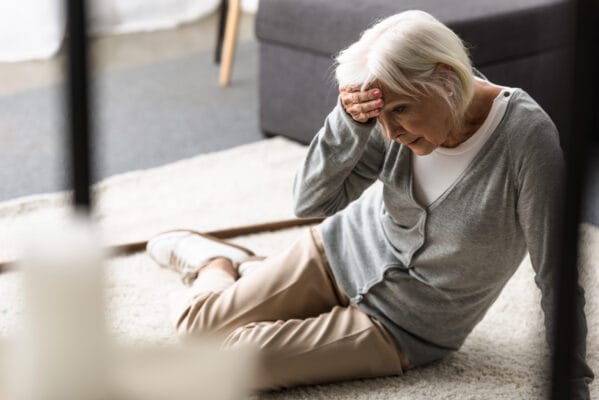
Chiropractic Spinal Manipulation & Fall Risk in Older Adults with Spinal Pain
Around the globe, our aging population is growing. Falls are a major concern for this population, can lead to adverse outcomes (including fractures and hospitalizations), and are the leading cause of both fatal and nonfatal injuries in adults aged 65 and older. Chiropractors commonly use spinal manipulative therapy (SMT) to [...]
Read moreJan

2024 Highlights – Free Reviews & Content!
Thank you for your continued support in 2024! I hope you’ve achieved your goals and are ready for personal, clinical and business wins in 2025! As another year comes to a close, I would like to thank my reviewers for their consistent commitment and flowing clarity in helping practicing chiropractors [...]
Read moreJan

Manual Therapy Plus Exercise Improves Long-Term Outcomes for Subacromial Shoulder Pain
Subacromial (shoulder) pain is common, and very annoying for patients. Often aching, sharper (or ‘pinchy’) with movement, it can be quite disabling. As chiropractors, we normally use a combination of manual therapy and exercise…a good idea, according to this week’s review of a recent randomized trial! Subacromial shoulder pain is [...]
Read moreDec
Prevalence & Influence of Neck Pain After Sport-Related Concussion in Collegiate Athletes
Can you sustain a sport-related concussion without also sustaining a cervical spine injury? It is an interesting question, which underscores the growing evidence that addressing neck function can help concussion patients recover, and avoid long term symptomatology… In the past decade, there has been increased attention toward the possibility of [...]
Read moreDec

Efficacy of Manual Therapy for Sacroiliac Joint Pain Syndrome
As chiropractors, we know that the sacroiliac joint is often involved in low back and pelvic pain syndromes (among other things). This week, an update on the evidence relating to manual therapy for SIJ pain syndrome… It is generally thought that between 10% and 38% of adult low back pain [...]
Read moreDec

Is cognitive decline related to spinal pain?
This week’s review features a commentary from my friend and colleague, and lead author of this paper, Dr. David Byfield (included below)… Cognitive decline and dementia are of major concern internationally and a leading cause of global morbidity and mortality. Over 55 million people are affected by dementia worldwide and [...]
Read moreNov

The Role of Chiropractic in Concussion Care
Concussion has been a hot topic lately, with the recent Parachute Canada guidelines recommending ONLY MDs and nurse practitioners for the assessment and diagnosis of concussions…what?! This obviously makes no sense, and is in direct conflict with the reality that chiropractors are often the first point of contact for patients [...]
Read moreNov

Pelvic Girdle Pain in Pregnancy – Patient Expectations and Experiences
A chiropractors, we can glean useful information from qualitative studies conducted in physical therapy environments – this week, a good example of this in relation to pelvic girdle pain in pregnancy. If we know what our patients are looking for, we will be better able to serve them… Pelvic girdle [...]
Read moreNov
Symptoms of Degenerative Cervical Myelopathy
Degenerative cervical myelopathy (formerly known as cervical spondylotic myelopathy) can be a debilitating and consequential condition that we must be on the look out for as chiropractors, especially in our aging patients…this week, a summary of a study outlining the symptoms we should be on the lookout for. Degenerative cervical [...]
Read moreNov
Chronic Pain Management Updates Part 4: Dietary Interventions
I think this is a topic that is of interest to most of my colleagues, so I will be making this Research Review (and all 4 in the series) available to non-subscribers for free: GET ACCESS FOR FREE HERE This is Part 4 of a 4-part series of “Chronic Pain [...]
Read moreOct

Chronic Pain Management Updates Part 3: Physical Activity
I think this is a topic that is of interest to most of my colleagues, so I will be making this Research Review (and all 4 in the series) available to non-subscribers for free: GET ACCESS FOR FREE HERE This is Part 3 of a 4-part series of “Chronic Pain [...]
Read moreOct

Chronic Pain Management Updates Part 2: Sleep & Stress
I think this is a topic that is of interest to most of my colleagues, so I will be making this Research Review (and all 4 in the series) available to non-subscribers for free: GET ACCESS FOR FREE HERE This is Part 2 of a 4-part series of “Chronic Pain [...]
Read moreOct
Chronic Pain Management Updates Part 1: Lifestyle Modifications & Behavior Changes
I think this is a topic that is of interest to most of my colleagues, so I will be making this Research Review (and the next 3 in the series) available to non-subscribers for free: GET ACCESS FOR FREE HERE Over the next few weeks, I’ll be posting a 4-part [...]
Read moreOct

Adding Tendon Dry Needling & Manipulation to Multimodal Treatment for Lateral Elbow Tendinopathy
Lateral elbow tendinopathy (also referred to as lateral epicondylalgia/epicodylitis or tennis elbow) is a common condition resulting in pain and disability. It was previously assumed that the pathology of the condition was an inflammatory process, but this line of thinking has recently evolved, and it is now considered to be a [...]
Read moreOct

Mental Health Surveillance in Athletes – IOC Consensus Statement
Mental health is a very important pillar of health, and one that requires particular attention in elite athletes. This week, a discussion of surveillance strategies and tools for athletes via the International Olympic Committee (IOC) consensus statement. Mental health symptoms are common in elite and professional athletes, with some (ex. [...]
Read moreSep
What’s the harm? Incidence of adverse events related to chiropractic & physiotherapy treatment…
This week’ Research Review discusses a very important topic – patient safety, and what our profession is doing about investigating and reporting adverse events associated with chiropractic and physiotherapy treatments (from the SafetyNet Active Surveillance Reporting System). I think this is a very important topic, so I have made this [...]
Read moreSep

Lumbopelvic manipulation for patellofemoral pain syndrome?
“The knee bone’s connected to the…” – how would you finish that lyric? And, you’re welcome for putting that in your head for the rest of the day! This week’s research review discusses lumbopelvic manipulation for a common condition – patellofemoral pain syndrome (PFPS). PFPS is a really common, with [...]
Read moreSep
Is weather a risk factor for musculoskeletal pain?
Have you ever had a patient tell you they have a headache (or some other ache or pain) that is exacerbated by changes in the weather? I think most chiropractors and other clinicians have had this experience…this paper helps us understand what we know about this relationship. Weather changes have [...]
Read moreSep
Medications for lumbosacral radiculopathy – what does the evidence say?
Globally, the number of years lived with disability due to low back pain increased by 52.7% between 1990 and 2015. In primary care offices, 38% of patients seek care for low back related leg pain, with 14% reporting radiation of pain below the knee. We know that patients with lumbosacral [...]
Read moreAug
Linking Hip Biomechanics to Low Back Pain
Low back pain (LBP) is a common condition that affects millions of people in high-, middle-, and low-income countries (1). LBP can be classified as acute (lasting up to 6 weeks), subacute (6 to 12 weeks), or chronic (greater than 12 weeks). The cause of most (> 85%) cases is [...]
Read moreJul
Effectiveness of Postsurgical Rehabilitation Following Lumbar Disc Herniation Surgery
Lumbar disc herniation (LDH) with radiculopathy is a common condition we encounter in clinical practice, with an annual prevalence of about 2% in the general population. Normally, the prognosis is good for these patients, but as with most conditions, a small proportion of patients go on to experience more non-responsive, [...]
Read moreJul

Chiropractic care reduces tramadol prescriptions for radicular low back pain!
A growing body of evidence suggests seeing a chiropractor can help keep radicular back pain patients off prescription drugs like benzodiazepines, gabapentin, opioids in general and now, tramadol (a synthetic opioid) specifically! Tramadol is an atypical, synthetic opioid that is often prescribed for low back pain. Previous studies have found [...]
Read moreJul

Individualized Walking & Education Program for Preventing Recurrence of Low Back Pain
A simple moral to this week’s research story…get your low back pain patients moving, and it can be as simple as walking! Low back pain (LBP) is highly prevalent and disabling. It is also pervasive for many, as we know that approximately 70% of individuals experience a recurrence of back [...]
Read moreJun
Adjusting cadavers in the name of science!
Have you ever adjusted a cadaver? These researchers have, all in the name of good science! We are all aware of the possible relationship between cSMT and cervical artery strokes (including those affecting the internal carotid artery, but most often in relation to the vertebral artery). The best epidemiological research [...]
Read moreJun
Managing Back Pain in Pediatric Patients
It is well known that back pain is very common in adults, but children and adolescents also experience this problem. A prior systematic review reported the annual incidence of low back pain in those 18 years of age and under to be 33.6%. Other evidence regarding thoracic pain reveals a [...]
Read moreJun
Cost of Chiropractic vs. Medical Management of Spine-Related Musculoskeletal Pain
This is a very positive study for our profession, supporting the idea that patients with spinal pain should see a chiropractor first! Spine-related musculoskeletal pain is the leading cause of disability globally and associated healthcare costs have been rising relentlessly, with spinal pain being the costliest medical condition in the [...]
Read moreJun
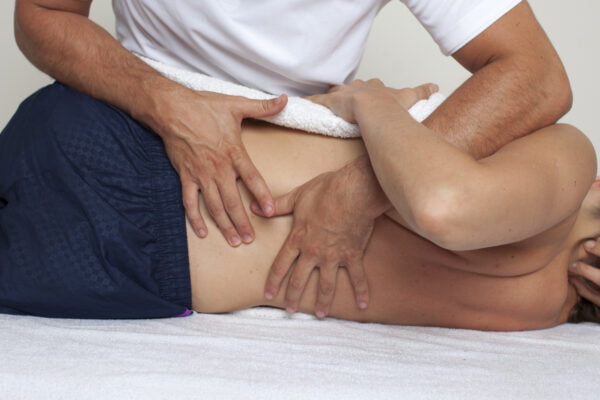
Reducing Mechanical Hyperalgesia & Pain Catastrophizing Via Spinal Manipulation for Low Back Pain
Musculoskeletal pain is generally classified based on three main descriptors: nociceptive, neuropathic, and nociplastic. Compared to a specific musculoskeletal tissue pathology, altered nociceptive processing in chronic low back pain is thought to contribute to nociplastic pain. Further, central sensitization likely enhances the degree of nociceptive transmission in chronic low back [...]
Read moreMay
Location of Pregnancy-Related & Postpartum Back Pain & Limitations of Daily Activities & Work Participation
This week’s Research Review is from my friend Dr. Carol Ann Weis an her colleagues, who present a fresh take on the location of back pain during pregnancy and what that might mean to us as clinicians… Back pain is a common issue during pregnancy and has been associated with [...]
Read moreMay
Concussion in Sport – 2022 Amsterdam Consensus Statement
Sport-related concussion is an evolving topic with emerging clinical science and Monday morning realities sometimes sidetracked by the politics of diagnosis for those of us who see these patients. I’ve always thought chiropractors, with some additional training, are optimally positioned to manage concussion patients and supervise their safe return to [...]
Read moreMay
Association between Chiropractic Spinal Manipulation & Cauda Equina Syndrome in Adults with Low Back Pain
Cauda equina syndrome (CES) occurs when the nerve roots that arise directly from the spinal cord at the level of the upper lumbar spine become compressed, typically by disc herniation. Signs and symptoms of CES may include: CES becomes a medical emergency when neurological deficits are present, and prompt corrective [...]
Read moreMay

Patient-Reported Outcomes for Low Back Pain Patients After Structured Education & Exercise Program (GLA:D Back)
Lumbar spinal stenosis (LSS) is a common condition experienced by older adults, and often seen in primary care settings. Like non-specific low back pain (NS-LBP), most people with LSS can be managed with interventions including patient education and exercise. Although they may not have received a definitive diagnosis of LSS, [...]
Read moreMay
SMT & Electrical Dry Needling for Lumbar Spinal Stenosis
Lumbar spinal stenosis can be a progressive, debilitating condition, but is often amenable to chiropractic care and other conservative treatments…this week, a randomized trial looking at the addition of SMT and electrical dry-needling to conventional physical therapy in a randomized trial. Lumbar spinal stenosis (LSS) is a narrowing of the [...]
Read moreApr
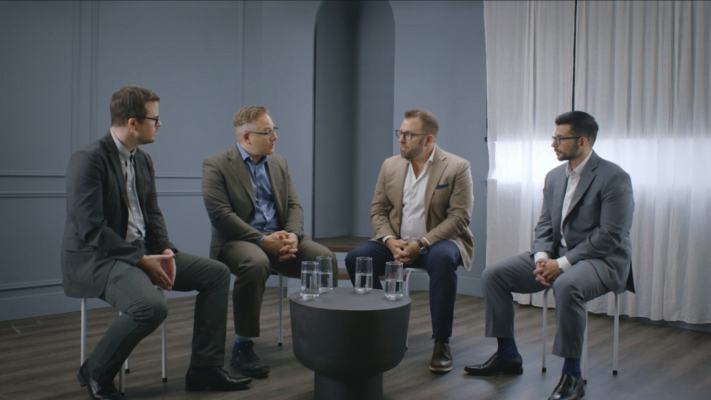
A contemporary approach to the biopsychosocial model for chiropractors…a fireside chat with Dr. Thistle & colleagues
This week, I will be at the CCA’s National Convention & Tradeshow in Toronto – I hope to see some of you there! Instead of a Research Review, today I wanted to share a fireside chat we filmed as we wrapped shooting for the filming of “Mastering the Biopsychosocial Approach: [...]
Read moreApr

Management of Chronic Pain Secondary to Temporomandibular Disorders
Jaw issues and TMJ pain are common, and can be a primary driver of chronic pain, or a comorbidity for many patients with other painful conditions. Temporomandibular disorders (TMD) comprise a group of more than 30 painful conditions that affect the muscles of mastication, the temporomandibular joint (TMJ), and associated [...]
Read moreApr
Understanding the Clinical Course of Low Back Pain
Something we discuss with chiropractic patients every day! Low back pain is a leading cause of disability worldwide with the most common type being ‘nonspecific’. The pillars regarding the management of low back pain are education and reassurance, nonpharmacological treatments and analgesic medications to reduce pain and disability. The literature [...]
Read moreApr

Chiropractic Management of Pediatric Patients – Best Practices Guideline
Chiropractic care is the most common complementary and integrative medicine practice used by children in the USA and is used commonly by children worldwide, most often for the treatment of musculoskeletal (MSK) conditions. Chiropractic undergraduate education includes the study of the unique anatomy and physiology of children as well as [...]
Read moreMar
HINTS Examination for Diagnosing Central Causes of Acute Vestibular Syndrome
Dizziness and vertigo are common reasons for people to present for medical care and they often present in our chiropractic offices as well. When this symptomatology is acute and severe, do you know what to do? A specific cause of dizziness and vertigo is called acute vestibular syndrome, which consists [...]
Read moreMar
Preventing costly ‘treatment escalation’ with chiropractic care!
Treatment escalation for low back pain (LBP) is costing our healthcare system a ton of money, despite the fact that most of these expensive interventions and imaging modalities do not improve patient outcomes. So, for us as chiropractors, a relevant question is: how much treatment is needed to avoid unnecessary [...]
Read moreMar
Risk Factors for Low Back Pain with Prolonged Standing
We normally ask our low back pain patients about pain with prolonged sitting, but do you ask them about pain with long periods of standing? Low back pain (LBP) will impact 70-85% of adults throughout their lives, exacting significant social and economic costs. Those experiencing acute LBP will have a [...]
Read moreMar
Manage cervicogenic headache with spinal manipulation + dry needling, says new systematic review…
We see patients with cervicogenic headaches all the time and generally, chiropractic care is very helpful for these patients. The literature however, has taken some time to catch up to our clinical observations, partly because headache is generally difficult to study (lots of variability!). Previous systematic reviews have reported that [...]
Read moreFeb

Adverse childhood experiences linked to chronic pain in adulthood…
As chiropractors, we need to explore psycho-emotional factors with some patients. This week we summarize a new paper linking childhood adversity with chronic pain in adulthood… Adverse childhood experiences (ACEs) are defined as traumatic experiences occurring before the age of 18, and include a variable combination of physical, emotional, and [...]
Read moreFeb

The Role of Back Muscle Dysfunction in Chronic Low Back Pain
Low back pain (LBP) is one of the leading causes of disability worldwide, affecting about 80% of the population at some point in their lifetime. Episodes of LBP generally resolve in a few weeks, however, up to 2/3 of patients experience a flare up within one year and about 15% [...]
Read moreFeb
Do psychosocial factors mediate recovery in chronic low back pain patients?
The Fear Avoidance Model of Pain (FAM) posits that the interpretation of pain, rather than the pain itself, is chiefly related to the risk of chronicity. The model suggests that pain that is perceived as non-threatening is less likely to significantly disrupt daily activities and encourage more swift recovery. In [...]
Read moreFeb
Nociplastic pain and central sensitization: Terminology update
Our understanding of chronic pain phenotypes and related mechanisms continues to evolve… Suffering from acute pain after an injury is beneficial to us as humans because it ensures that we protect damaged (or potentially damaged) tissue during healing. However, once time has elapsed and pain is in the chronic state [...]
Read moreJan

Impact of neck pain on gait health…
How does neck pain relate to gait? Providing effective care for older patients is something our profession can excel at. This topic is certainly an interesting aspect of healthy aging… Gait is a complex function that requires coordination of almost every physiologic system in the body, and the quality of [...]
Read moreJan
Untangling the relationship between migraine and neck pain…
How does neck pain relate to migraine? Why does neck treatment not many, but not ALL migraine patients? Neck pain affects about 3.5% of the general population globally, although its prevalence increases to over 70% among persons with migraine. Neck pain has been shown to bring on migraine attacks which [...]
Read moreJan

Pathophysiology of Discogenic Back Pain
Chronic back pain is one of the most common causes of disability worldwide. Low back pain can result from many etiologies including disc herniations, spinal canal stenosis, facet joint osteoarthritis, myofascial or spontaneous causes, and discogenic causes. In particular, discogenic back pain arises from degeneration to the intervertebral disc and [...]
Read moreJan
Impact of Initial Provider Specialty on Longitudinal Care Patterns for New-Onset Neck Pain
Neck pain is common cause of pain and a leading cause of disability worldwide and can lead to substantial limitations to daily activities. Low back pain research has found that the initial care provider seen by a patient can significantly influence subsequent care patterns and costs. Research has started assessing [...]
Read moreJan
Thoracic manipulation for chronic neck pain: What does the evidence say?
We’ve all had patients who don’t want their neck adjusted, which is (of course) their choice. So, what do we do in these cases? Do you recommend thoracic SMT instead? This week’s Review updates us on the evidence for thoracic SMT for chronic neck pain. The most common type of [...]
Read moreDec
Clinical Signs for Diagnosing Degenerative Cervical Myelopathy
In the last few years, what we used to refer to as cervical spondylotic myelopathy (CSM) has been renamed to degenerative cervical myelopathy (DCM). DCM is a progressive spine condition which can present with subtle, non-specific symptoms in the upper and lower extremities, making diagnosis difficult. Existing evidence shows us [...]
Read moreNov

Adding Spinal Manipulation to Pharmacologic Management of Fibromyalgia
Fibromyalgia (FM) is a chronic condition that is characterized by widespread pain, decreased pain threshold, fatigue, sleep disturbances, cognitive dysfunction, and other somatic symptoms. FM patients are typically provided a combination of pharmacological and nonpharmacological treatments, including analgesics, antiepileptics, antidepressants, exercise, cognitive behavioral therapy, physical therapies, relaxation techniques, and patient [...]
Read moreNov
Should we combine manual therapy and exercise for neck pain?
Low back and neck pain, when combined, account for much of the individual disability and tremendous healthcare expenditure globally. It is therefore necessary to continually evaluate the effective management and treatment of patients with nonspecific spinal pain conditions. Nonspecific neck pain typically develops gradually and may be caused by a variety [...]
Read moreNov

Association Between Chiropractic Spinal Manipulation & Gabapentin Prescriptions for Radicular Low Back Pain…Conservative care first!
Radicular low back pain is type of neuropathic pain, characterized by a nerve root lesion leading to radiating ipsilateral lower extremity symptoms. Gabapentin is an anticonvulsant and anti-epileptic medication which may work to alleviate neuropathic pain by binding to a subunit of voltage gated calcium channels, subsequently inhibiting ectopic nerve [...]
Read moreNov
Physical Activity, Sedentary Behaviour & Low Back Pain Trajectory…Get your patients moving!
Low back pain (LBP) is a common condition which affects approximately 40% of people worldwide at some time during their lives. LBP often results in physical disability and contributes to the number of years lived with disability (YLDs) more than any other condition. There are huge costs to society resulting [...]
Read moreNov
Cervical Spine Involvement in Tension Type Headaches…from evidence to practice
Tension type headache (TTH) is a primary headache characterized by a bilateral pattern, with pain reported as pressing or tightening in quality, of mild to moderate intensity, and lasting minutes to days. TTH does not worsen with routine physical activity and has no association with nausea, however, phonophobia or photophobia [...]
Read moreOct
Chiropractic reduces Benzodiazepine prescriptions for radicular low back pain! New evidence…
Benzodiazepines are a class of psychoactive medications that are increasingly prescribed for patients with low back pain and commonly used in patients with radicular low back pain. However, because of insufficient evidence supporting the efficacy of these medications for low back pain and the risk of serious adverse events, clinical [...]
Read moreOct
Antibiotic Treatment for Chronic Low Back Pain…what does the evidence say?
Low back pain remains one of the most disabling conditions worldwide, with substantial socioeconomic consequences. A major consideration in treating low back pain is the use of pharmacological interventions such as opioids, which is especially pertinent in the treatment of chronic low back pain (CLBP). Given the increasingly common use [...]
Read moreOct
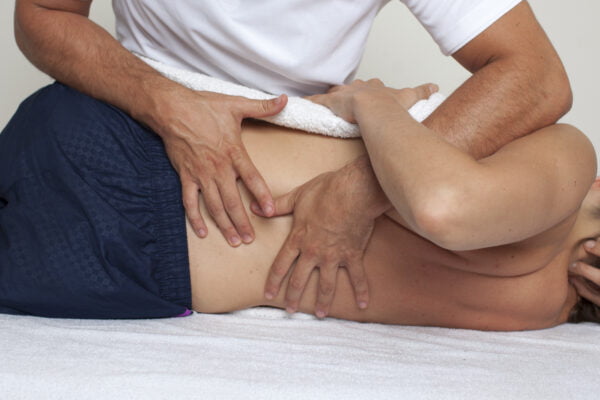
Targeting a Specific Vertebral Level with SMT for Back Pain…does it matter?
Spinal manipulative therapy (SMT) is a cost effective and safe treatment, and as a result it is included in almost all clinical practice guidelines and practice recommendations for low back pain. The two most common types of SMT are joint mobilization and manipulation, with the main difference between the two [...]
Read moreOct
Prehabilitation for Spine Surgery – what works?
Spinal disorders are one of the most disabling and costly health issues and sometimes, surgery is necessary. A growing body of research suggests that physical and psychological factors are associated with important clinical and economic outcomes following spine surgery. In fact, when predicting clinical outcomes following lumbar spinal stenosis surgery, [...]
Read moreSep
Cervical Artery Dissection and Neck Manipulation (new big data study!)
Cervical artery dissection (CeAD) is the most serious safety concern related to the provision of high-velocity, low-amplitude cervical spinal manipulation (SMT) and can involve the carotid or vertebral arteries. The pathology of concern is dissection, which occurs when the arterial lining deteriorates, allowing blood to penetrate the artery wall. This [...]
Read moreSep
Phenotyping Nociceptive, Neuropathic & Nociplastic Pain
There is a clear global shift towards precision medicine in treating various conditions. The International Association for the Study of Pain (IASP) has thus outlined terms and decision criteria for distinct pain descriptors, known as pain phenotypes. This article elucidates the relevance of pain phenotyping and its utility in specific [...]
Read moreSep
Cervical Disc Degeneration – Clinical Considerations
Cervical disc degeneration (CDD) is an age-related condition occurring commonly in patients greater than 45 years of age and is characterized by its progressive nature and radicular symptoms. Like lumbar disc degeneration, CDD can be identified on radiographs in asymptomatic patients although, in contrast to lumbar degeneration, radiographic findings in [...]
Read moreSep

Exercise vs. NSAIDs/Tylenol for Hip or Knee Osteoarthritis
Osteoarthritis (OA) is the most common form of joint disease and the leading cause of pain in older adults. Oral non-steroidal anti-inflammatory drugs (NSAIDs) and paracetamol (or acetaminophen/Tylenol) are the most frequently prescribed analgesics in this population, with 10-35% of patients with OA reporting oral NSAID use. It is important [...]
Read moreAug

Association Between Clinical Findings and Lumbar Spine Osteoarthritis Imaging Features
Association Between Clinical Findings and Lumbar Spine Osteoarthritis Imaging Features Low back pain is frequently labelled as ‘nonspecific’ in nature, which is diagnosed by the exclusion of specific underlying causes through a history and physical examination. However, among patients with nonspecific low back pain, there may be subgroups of individuals [...]
Read moreAug

Rehabilitation After Anterior Cruciate Ligament Reconstruction
Rehabilitation After Anterior Cruciate Ligament Reconstruction Successful recovery following anterior cruciate ligament reconstruction (ACLR) hinges largely on the rehabilitation program. Given that most ACL injuries are sports-related, the goal of rehabilitation is normally to return to sport as quickly as possible. While up to 80% of ACLR patients return to some [...]
Read moreJul

Neural Mobilization in Low Back & Radicular Pain
Neural Mobilization in Low Back & Radicular Pain Low Back and Radicular Pain (LBRP) is a common type of low back pain which is caused by compression, irritation, or other pathology of one or more lumbosacral nerve roots. Lumbar disc herniation is thought to be the most common cause of [...]
Read moreJul

Manual Therapy Dosing & Outcomes in Hip Osteoarthritis
Manual Therapy Dosing & Outcomes in Hip Osteoarthritis Hip osteoarthritis (OA) is often managed by conservative treatments, one of the most important being manual therapy (MT), which aims to relieve symptoms by improving mobility and general tissue extensibility. Clinical guidelines currently recommend thrust, non-thrust and soft tissue mobilization for those [...]
Read moreJul

Peripheral Neuropathy Bedside Examination – Clinical Challenges
Peripheral Neuropathy Bedside Examination – Clinical Challenges The bedside neurological examination is an important clinical tool to assist in the diagnosis of suspected peripheral neuropathies such as radiculopathy, carpal tunnel syndrome or diabetic neuropathy. The main goal of the neurological examination is to identify a loss of action potential conductivity, [...]
Read moreJun

Management of Cervicogenic Dizziness
Management of Cervicogenic Dizziness Cervicogenic Dizziness has a lifetime prevalence of 15-35% in the general population and has many causes, including vestibular, cardiorespiratory, neurological, mental/psychiatric, and cervical/musculoskeletal. Cervical-related dizziness can be caused by altered blood flow in the cervical arterial blood vessels due to compression or disruption or altered functioning [...]
Read moreJun

Prolonged Slumped Sitting Causes Neck Pain & Increased Axioscapular Muscle Activity in Healthy Subjects
Prolonged Slumped Sitting Causes Neck Pain & Increased Axioscapular Muscle Activity in Healthy Subjects I’m sure you’ve seen a 3-year (!) spike in the number of your patients slumped over a laptop working from home? In many ways, the pandemic exacerbated a problem that was already nearly ubiquitous in office [...]
Read moreJun
Can seeing a chiropractor reduce the need for lumbar discectomy?
Can seeing a chiropractor reduce the need for lumbar discectomy? Lumbar disc herniations (LDH) are relatively common and certainly something you will encounter in practice. These patients require a comprehensive clinical workup, with careful consideration to the best plan of management. LDH involves a focal displacement of intervertebral disc material [...]
Read moreJun

Diagnostic Accuracy of the Ottawa Ankle Rules to Exclude Fractures in Acute Ankle Injuries in Adults
Diagnostic Accuracy of the Ottawa Ankle Rules to Exclude Fractures in Acute Ankle Injuries in Adults Ankle trauma is a common reason for individuals to visit the emergency department or a family physician, chiropractor or physiotherapist. Currently, radiographic assessment is routinely used in ankle trauma, despite evidence suggesting that it [...]
Read moreJun

Patient Characteristics Associated with Non-Serious Adverse Events After Cervical Manual Therapy
Patient Characteristics Associated with Non-Serious Adverse Events After Cervical Manual Therapy Cervical spine manipulation and mobilization are commonly used for the treatment of patients with neck pain, with 6% to 12% of neck pain patients utilizing cervical spine manipulation annually. Manual therapy (MT), comprising high velocity thrust (HVT) manipulation and/or [...]
Read moreMay
Diagnosing Low Back Pain of Disc, Sacroiliac Joint or Facet Joint Origin
Diagnosing Low Back Pain of Disc, Sacroiliac Joint or Facet Joint Origin Most clinical practice guidelines recommend general treatment approaches for low back pain, including exercise, medication or manual therapy. When studied, these interventions typically demonstrate small effect sizes and there is little to no information on how to individualize [...]
Read moreMay

Tensile Force in the Vertebral Arteries During Cervical Spine Manipulation Applied to Human Cadavers
Tensile Force in the Vertebral Arteries During Cervical Spine Manipulation Applied to Human Cadavers This week, we discuss an update to ground breaking cadaveric research conducted nearly 20 years ago by Drs. Walter Herzog, Bruce Symons and colleagues investigating cervical artery strains and forces experienced during neck manipulation. This new [...]
Read moreMay

Relationship Between Physical Activity & Pain in American Adults
Relationship Between Physical Activity & Pain in American Adults “Motion is lotion, rest is rust” As chiropractors, one of our primary roles should be to promote and facilitate physical activity in our patients. As discussed in this week’s Review, how active our patients are can relate directly to how much [...]
Read moreMay

Clinical Instrument to Identify Appropriate Patients for Low Back Pain Maintenance Care
Clinical Instrument to Identify Appropriate Patients for Low Back Pain Maintenance Care Low back pain (LBP) affects a large portion of the adult population worldwide. In about 80-85% of individuals, LBP episodes are often short lived but recurrent throughout one’s life. As a result, research has looked at strategies of [...]
Read moreApr
Prognosis of a New Episode of Low Back Pain in a Community Inception Cohort
Prognosis of a New Episode of Low Back Pain in a Community Inception Cohort Previous studies have shown that the natural course of low back pain is typically favorable, with most episodes substantially improving within 6 weeks. Within these studies, the majority have assessed the prognosis of acute low back [...]
Read moreApr

Shoulder Injury Prevention, Rehabilitation & Return to Sport
Shoulder Injury Prevention, Rehabilitation & Return to Sport Shoulder injuries commonly impact athletes at amateur and professional levels and can impact performance, training and activities of daily living. Despite the prevalence and impact of shoulder injuries, there is a lack of high-quality evidence to guid clinicians, athletes and coaches in [...]
Read moreApr

Lumbar Spinal Stenosis Treatment Algorithm – Delphi Consensus
Lumbar Spinal Stenosis Treatment Algorithm – Delphi Consensus Lumbar spinal stenosis (LSS) is a common condition affecting older adults, which is treated with a variety of non-surgical and surgical interventions. Despite up to 35% of patients having poor satisfaction with surgical outcomes at one-year follow-up and the lack of sustained [...]
Read moreApr

Dry Needling & Upper Cervical Manipulation for Temporomandibular Disorder – RCT
Dry Needling & Upper Cervical Manipulation for Temporomandibular Disorder – RCT Temporomandibular disorder (TMD) is a very common condition which affects 16% to 59% of the global population and has been shown to be the third most prominent pain condition world-wide. TMD is associated with a variety of factors, such [...]
Read moreMar

Manual Therapy with Rehabilitation of Cervical Sensorimotor Control for Neck Pain
Manual Therapy with Rehabilitation of Cervical Sensorimotor Control for Neck Pain Between 50% and 85% of persons with neck pain do not attain complete resolution of their symptoms, possibly due to altered afferent/sensory input from cervical proprioceptors. Research has shown that such altered afferentation can result in impaired joint proprioception, [...]
Read moreMar
Effect of Diagnostic Labelling on Patients’ Perceived Need for Imaging for Low Back Pain
Effect of Diagnostic Labelling on Patients’ Perceived Need for Imaging for Low Back Pain Within many chiropractic offices and existing clinical guidelines, non-specific low back pain (NS-LBP) is diagnosed when no specific structural cause can be identified. However, there is some controversy regarding the use of this term, as opponents [...]
Read moreMar

Psychosocial Factors Related to Severe Pain & Functional Limitation in LBP
Psychosocial Factors Related to Severe Pain & Functional Limitation in LBP Low back pain is the leading cause of disability worldwide. Psychosocial factors are known to negatively influence clinical outcomes in patients with LBP by contributing to pain development, pain aggravation and chronification. It is also established that patients with [...]
Read moreMar

Surgery vs. Rehabilitation for Anterior Cruciate Ligament Injuries
Surgery vs. Rehabilitation for Anterior Cruciate Ligament Injuries Anterior cruciate ligament (ACL) injuries are one of the most common and serious knee injuries. There is an ongoing clinical and scientific debate that certainly matters to our patients – whether the management of these injuries should primarily consist of surgery or [...]
Read moreMar

Inguinal-Related Groin Pain in Athletes
Inguinal-Related Groin Pain in Athletes Athletes with groin pain in the inguinal canal region with no palpable hernia present a challenge for clinicians. Pain within this region can be a result of several conditions, many of which are musculoskeletal in nature and form the focus of this editorial. When it [...]
Read moreFeb
Clinical Relevance of Pressure Pain Thresholds in Real‑World Chiropractic Practice
Clinical Relevance of Pressure Pain Thresholds in Real‑World Chiropractic Practice This Research Review contains a guest commentary from the study’s lead author and one of our professions rising research stars – Dr. Casper Glissmann Nim! Pressure pain threshold (PPT) is a concept within manual therapies that is proffered as a [...]
Read moreFeb
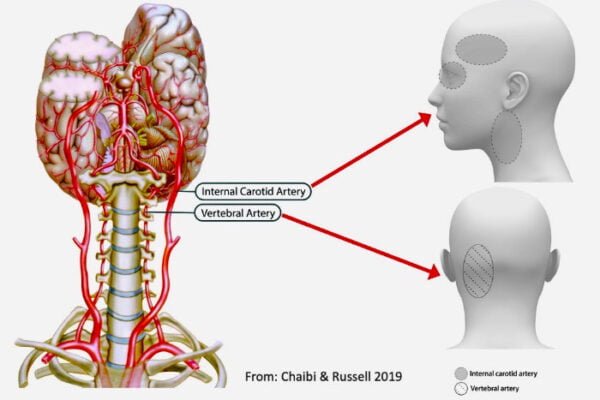
Association Between Cervical Artery Dissection & Spinal Manipulation in Older Patients
Association Between Cervical Artery Dissection & Spinal Manipulation in Older Patients Patients with cervical artery dissection (CeAD) involving the carotid or vertebral arteries may be asymptomatic, although they frequently experience neck pain and/or headache (therefore they may seek chiropractic care!). A recent case-control study involving 165 patients < 50 years-of-age [...]
Read moreFeb

Identifying Peripheral Arterial Diseases or Flow Limitations of the Lower Limb
Identifying Peripheral Arterial Diseases or Flow Limitations of the Lower Limb Pain into the lower limbs can be caused by many conditions including peripheral arterial disease (PAD), which is a common and potentially serious condition of the lower limb. Despite its frequency in the population, the diagnosis of this condition [...]
Read moreJan
Rehabilitation After Anterior Cruciate Ligament & Meniscal Injuries
Rehabilitation After Anterior Cruciate Ligament & Meniscal Injuries The paper we Reviewed for you this week is one of several systematic reviews contributing to the development of evidence-based consensus recommendations for rehabilitation to optimize musculoskeletal health and prevent post-traumatic osteoarthritis (OA) following knee trauma (OPTIKNEE). Anterior cruciate ligament (ACL) and [...]
Read moreJan

Chiropractic Care Reduces Opioid Prescriptions, AGAIN!
Chiropractic Care Reduces Opioid Prescriptions, AGAIN! Many recent studies have shown that seeing a chiropractor can reduce one’s risk of being prescribed opioid medications for spinal pain. This week, we summarize a recent paper from one of our newest DC/PhD colleagues in Canada – Dr Peter Emary, who graciously contributed [...]
Read moreJan

Reducing Sitting Time in the Workplace – Cluster Randomized Trial
Reducing Sitting Time in the Workplace – Cluster Randomized Trial Many adults (and younger people!) spend a large portion of their day sedentary. In particular, office-based workers have been found to spend 73% of their workday and 66% of their waking day sitting! The emergence of recent evidence linking a [...]
Read moreJan

Hypermobility & Related Disorders – Masterclass Review Paper
Hypermobility & Related Disorders – Masterclass Review Paper Joint hypermobility refers to the ability of a joint to move beyond a “normal” range of motion after considering age, gender and ethnicity. For some people, joint hypermobility may cause increased risk of injury and may be associated with other systemic conditions [...]
Read moreDec

Effectiveness of Manual Therapy for Cervicogenic Headache
Effectiveness of Manual Therapy for Cervicogenic Headache Patients often consult chiropractors with headaches and in many cases, a reasonable trial of chiropractic care is warranted once red flags have been ruled out and a diagnosis has been reached. Cervicogenic headaches are relatively common, but in my experience can overlap with [...]
Read moreDec

SMT effective for older adults with chronic LBP – new, supportive high-level evidence!
SMT effective for older adults with chronic LBP – new, supportive high-level evidence! Spinal manipulation is an effective option for older patients with low back pain! Combine SMT with patient-centred care including reassurance and exercise/movement/rehabilitation and we really have the capacity to make a difference for this growing patient population! [...]
Read moreNov

Exercise Therapy vs. NSAIDs or Opioids for Knee Osteoarthritis Pain
Exercise Therapy vs. NSAIDs or Opioids for Knee Osteoarthritis Pain Exercise for the win, again! Opioids are commonly used in the management of chronic musculoskeletal (MSK) conditions, however, the appropriateness of treating conditions such as osteoarthritis (OA) with opioids is widely debated due to the risk of adverse events (AE) [...]
Read moreNov

How do we define ‘growing pains’?
How do we define ‘growing pains’? “Doc, my 5 year old wakes up sometimes with really sore legs, what’s happening?” This is a question we often hear in practice (or something we experience with our own children), and the answer we normally provide is “growing pains”. But, do we know [...]
Read moreNov
Does the popping sound with SMT matter for pain outcomes?
Does the popping sound with SMT matter for pain outcomes? When you adjust a patient, do you think the popping sound is necessary to achieve a desired clinical outcome regarding pain? This week’s Review looks at the evidence in this space… Spinal pain is very common worldwide and can have [...]
Read moreNov

The Science of MD Referrals
The Science of MD Referrals Why do MD’s refer (or not refer) patients to chiropractors. This week, a study on chiropractor characteristics that can drive referrals…there are some important lessons in this paper! An emphasis on interprofessional practices and education has been growing worldwide, in part because it has been [...]
Read moreOct